

In 2014, Texans were presented with a seemingly straightforward proposition: Proposition 1, a constitutional amendment that promised to funnel much-needed funds into the State Highway Fund. The initiative was marketed as a win for Texans weary of toll roads and in desperate need of better roadways. Proponents of the proposition emphasized that 97% of the redirected funds would be used exclusively for “surface transportation,” explicitly excluding toll roads. This campaign effectively reassured voters that their dollars would be wisely spent on improving public access roads, without the burden of additional tolls.
What the campaign didn’t make clear, however, was that this 97% of funds wouldn’t just exclude toll roads—it would also exclude any form of alternative transportation, including public transit, bicycle lanes, and pedestrian sidewalks. The omission was a critical one, leaving voters unaware that they were signing off on a measure that would further entrench Texas’s car-centric infrastructure at the expense of more sustainable, equitable transportation options.
The Consequences: Billions for Highways, Pennies for Everything Else
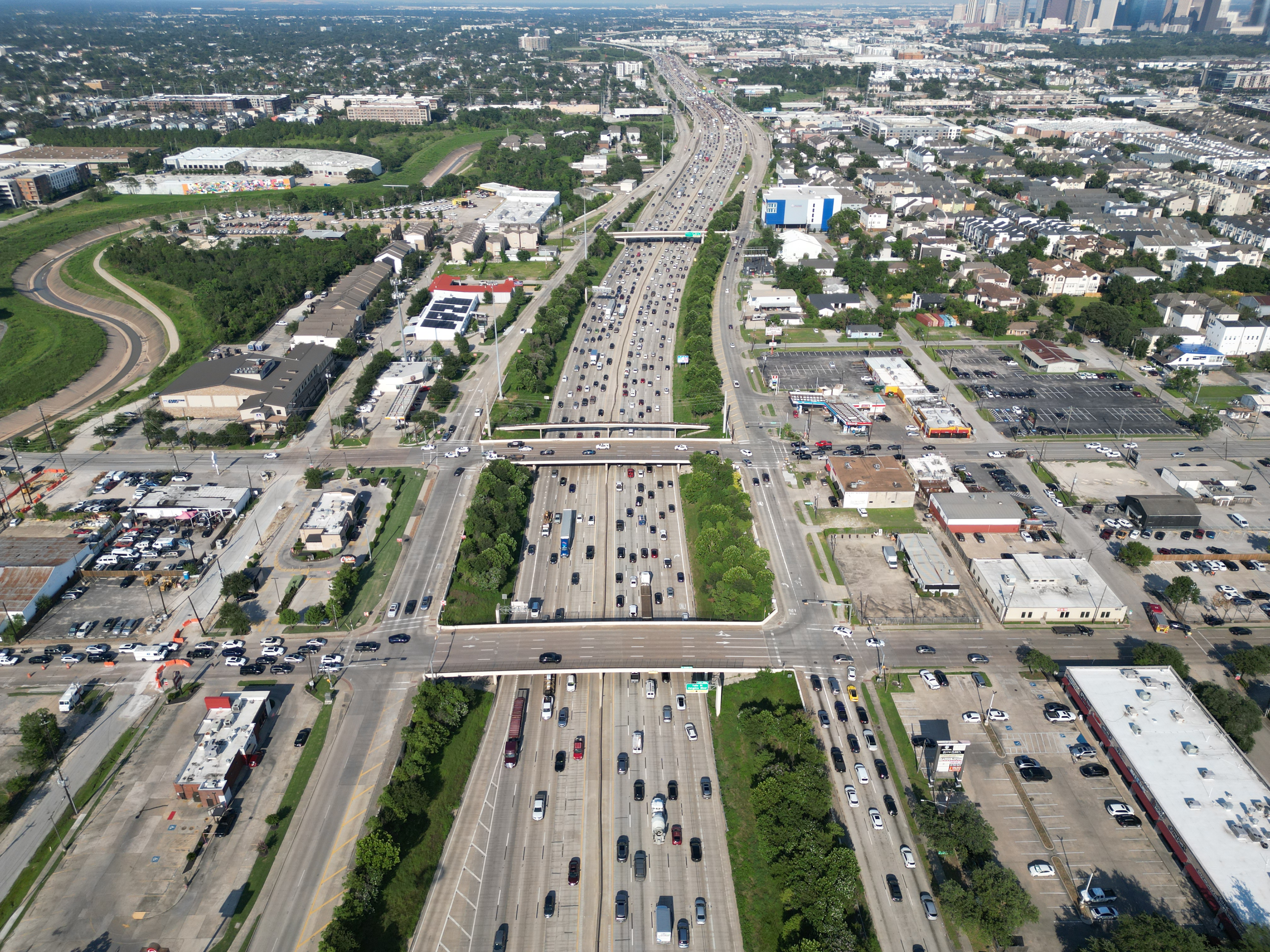
Fast forward a decade, and the consequences of Proposition 1 are painfully clear, particularly in Houston. While the state continues to pour billions of dollars into short segments of highway reconstruction, the city’s public transportation and pedestrian infrastructure are left to fight for scraps. These highway projects often promise to alleviate congestion, but more often than not, they result in more pollution, more traffic delays, and more construction that seems to stretch on indefinitely.
One need look no further than Houston’s ongoing battles over the expansion of Interstate 45. Despite significant opposition from local communities and advocacy groups like StopTxDOT, the project has continued to move forward, bolstered by the steady stream of funds ensured by Proposition 1. Meanwhile, efforts to secure funding for bike lanes, sidewalks, and improved public transit continue to struggle, with advocates often feeling like they’re left holding the short stick.
A System Stacked Against Alternative Transportation
The reality is that Proposition 1’s narrow focus on surface transportation has created a system where alternative modes of transportation are perpetually underfunded and undervalued. This is particularly frustrating in a city like Houston, where sprawling urban development and heavy traffic have created a dire need for more diverse transportation options. But instead of investing in solutions that could reduce reliance on cars—such as expanded bus routes, light rail systems, or safe biking infrastructure—Houston finds itself locked into a cycle of highway expansion that primarily benefits those who already have access to private vehicles.
The Road Ahead: Legislative Change and Local Partnerships
Recognizing the damage done by Proposition 1, lawmakers like Representative Penny Morales Shaw began pushing for reforms. Her introduction of House Bills 5154 and 5156 sought to broaden the scope of transportation funding, making room for projects that prioritize public transit, pedestrian safety, and green infrastructure. These legislative efforts did not advance much when initially introduced, but they are critical in addressing the structural imbalances that have long plagued Texas’s transportation policies.
However, legislative change alone won’t be enough. As advocates for more equitable transportation solutions, we must also forge strong local partnerships. History has shown that TxDOT is willing to collaborate with third parties, particularly local governmental agencies and management districts, to bring innovative projects to life. In Houston, this means that while we continue to push for state-level reforms, we must also work closely with local entities to explore opportunities for freeway capping with green spaces, improved bike lanes, and expanded public transit.
The True Cost of Proposition 1
Proposition 1 was sold to Texans as a way to improve the state’s transportation infrastructure, but the reality has been far more complex—and far more damaging. By narrowly focusing on surface transportation, the proposition has entrenched a car-dependent system that leaves little room for alternative modes of transport. As a result, cities like Houston are left to navigate the challenges of underfunded public transit, unsafe pedestrian infrastructure, and an ever-expanding network of highways that do little to address the root causes of congestion.
The fight for more equitable transportation in Texas is far from over, but by recognizing the mistakes of the past and working together towards a more inclusive future, we can begin to build a transportation system that truly serves all Texans.


Leave a Reply